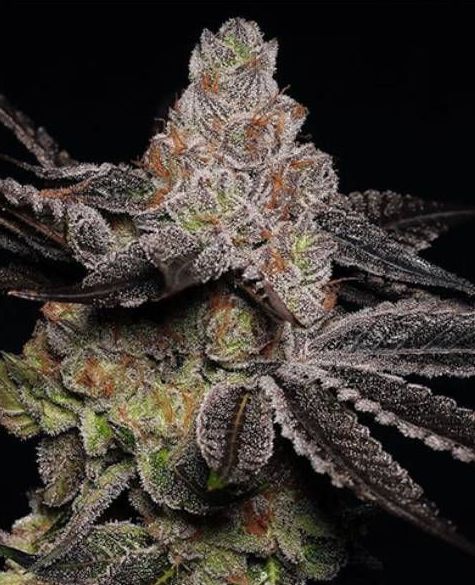
Purple Haze Cannabis Seeds: Complete Strain Guide
Purple Haze is one of those cannabis names that people tend to remember. The name has a long history, and the strain has built a strong reputation for its colorful appearance, sweet aroma, and uplifting character.
For growers, Purple Haze cannabis seeds can be an interesting choice when looking for a strain with a mix of visual appeal and classic Haze-style genetics. The plants are often associated with purple and violet colors, especially when temperatures and growing conditions allow the pigments to show.
But there is more to Purple Haze than its appearance.
From its Haze background to its earthy, sweet aroma, this strain offers plenty to explore. Whether you are learning about cannabis genetics or comparing different seed varieties, understanding the basic characteristics of Purple Haze can help you decide whether it fits your growing goals.
What Is Purple Haze Cannabis?
Purple Haze is a cannabis strain commonly associated with Haze genetics and purple-colored flowers. It is generally described as a sativa-dominant or sativa-leaning variety, although the exact genetics can differ between breeders and seed banks.
The name “Purple Haze” is also closely connected with the famous Jimi Hendrix song, which helped make the name widely recognized beyond the cannabis world.
The plants are known for their attractive flowers, strong aroma, and potentially uplifting effects.
One thing to remember is that there is not always a single, standardized Purple Haze genetic line. Different breeders may use different genetics while keeping the Purple Haze name. Because of this, specifications such as THC percentage, flowering time, plant size, and yield can vary.
That is why checking the breeder’s information is important when comparing Purple Haze cannabis seeds.
Purple Haze Cannabis Seeds Specifications
Here is a general overview of characteristics commonly associated with Purple Haze varieties.
| Specification | Typical Characteristics |
|---|---|
| Strain name | Purple Haze |
| Genetic type | Commonly sativa-dominant |
| Genetics | Haze-based genetics; exact lineage varies |
| Plant type | Often medium to tall |
| Growth structure | Branchy with elongated growth |
| Flower color | Green, purple, violet, or reddish tones |
| Aroma | Sweet, earthy, floral, spicy |
| Flavor profile | Sweet, herbal, earthy, spicy |
| Flowering period | Often around 8–10+ weeks, depending on genetics |
| Indoor growing | Possible with suitable space and training |
| Outdoor growing | Possible where legally permitted and climate is suitable |
| Yield | Varies by breeder and growing conditions |
| THC level | Varies significantly between genetic lines |
| CBD level | Usually low, but varies by phenotype |
| Seed types | Regular or feminized versions may be available |
| Growing difficulty | Moderate, depending on phenotype and environment |
These figures should be treated as general guidance rather than guaranteed specifications. Different Purple Haze seed lines can perform very differently.
Purple Haze Genetics
Genetics are one of the most important things to understand when choosing cannabis seeds.
Purple Haze is generally linked to Haze-style genetics, which are known for vigorous growth and aromatic flowers. Some versions also include genetics selected for stronger purple coloration.
The exact genetic background depends on the breeder.
This matters because two products carrying the Purple Haze name may not produce identical plants. One version may grow taller, while another may remain more compact. Flowering times and cannabinoid levels can also differ.
If you are comparing seed suppliers, look for clear information about:
- Parent genetics
- Breeding history
- THC and CBD levels
- Flowering period
- Expected plant size
- Indoor and outdoor suitability
- Expected yield
- Seed type
Clear breeder information makes it much easier to compare different versions of the strain.
What Does Purple Haze Look Like?
One of the biggest attractions of Purple Haze is its appearance.
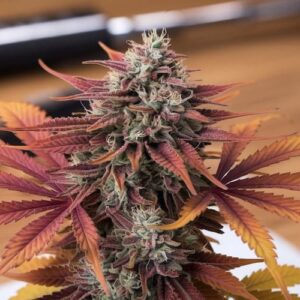
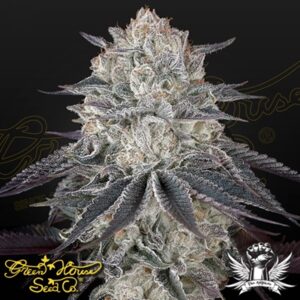
The flowers can develop deep green colors mixed with purple, violet, or reddish shades. How much purple develops depends on genetics as well as environmental conditions.
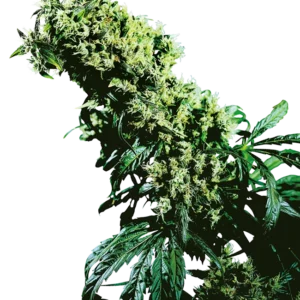
The buds may also develop a noticeable layer of resin as they mature.
Why Does Purple Haze Turn Purple?
Purple coloration is usually linked to natural plant pigments called anthocyanins.
Genetics play the biggest role, but temperature and other environmental factors can influence how strongly these colors appear.
It is important not to assume that colder temperatures automatically produce better cannabis. Extreme environmental changes can stress a plant and reduce overall quality.
Good genetics, healthy plants, and stable growing conditions remain the most important factors.
Purple Haze Aroma and Flavor
Purple Haze is often described as having a complex aroma rather than a single dominant smell.
Depending on the genetic line, you may notice combinations of:
- Sweet notes
- Earthy tones
- Floral aromas
- Herbal notes
- Mild spice
- Haze-like character
The flavor can have a similar combination.
Some phenotypes may lean more toward sweetness, while others can have stronger earthy or spicy notes.
This variation is another reason why individual phenotypes can be interesting to cannabis enthusiasts.
Purple Haze Effects
Purple Haze is commonly associated with an uplifting and cerebral character.
Because individual cannabis products can vary widely in cannabinoid and terpene content, the experience can differ from one person to another.
Commonly reported characteristics include:
- Uplifting mood
- Cerebral sensation
- Creative feeling
- Relaxation
- Increased sensory awareness
The strength and duration can depend on THC concentration, dosage, tolerance, individual biology, and the specific genetic line.
If you are unfamiliar with a particular cannabis product, responsible use and compliance with local laws are important.
Growing Purple Haze Cannabis Seeds
Purple Haze can be an appealing variety for growers who enjoy plants with a Haze-style growth pattern and colorful flowers.
However, some versions can grow quite tall.
This is especially important for indoor growers working with limited vertical space.
Indoor Growing
Indoor cultivation allows growers to control important environmental factors such as light, temperature, humidity, and air movement.
Because some Purple Haze phenotypes can stretch during flowering, available vertical space should be considered before selecting a particular seed line.
Growers may also use appropriate plant-training techniques to create a more manageable canopy.
The exact approach will depend on the breeder’s recommended growing characteristics and the grower’s experience.
Outdoor Growing
Where outdoor cannabis cultivation is legal, Purple Haze may be suitable for growers with enough space and a suitable climate.
A long-season Haze-influenced plant may perform differently from a compact variety, so local climate and the breeder’s flowering information are worth checking before making a choice.
Outdoor plants can also become quite large when environmental conditions are favorable.
Purple Haze Flowering Time
Flowering time varies between Purple Haze genetics.
Many photoperiod versions are commonly listed at around 8 to 10 weeks or longer, although some phenotypes may take additional time.
The breeder’s specifications should always take priority over general strain information.
Flowering time can also be influenced by growing conditions.
A healthy plant grown in a suitable environment may develop differently from a plant exposed to stress or unfavorable conditions.
Purple Haze Yield
Yield is another specification that can vary considerably.
Seed suppliers may provide an estimated indoor or outdoor yield, but these numbers should not be viewed as guarantees.
Final production can depend on:
- Genetics
- Light intensity
- Growing environment
- Plant health
- Pot or root-space size
- Growing experience
- Training methods
- Flowering conditions
Rather than choosing a strain based only on the largest advertised yield, consider the complete profile.
A strain that fits your available space and climate may be a better choice than one with a higher theoretical yield.
Purple Haze Regular vs. Feminized Seeds
Purple Haze may be available in different seed formats depending on the breeder.
Regular Seeds
Regular cannabis seeds can produce male or female plants.
They may be useful for breeders and growers interested in working with different genetic expressions.
Feminized Seeds
Feminized seeds are bred to produce female plants at a very high rate under normal conditions.
They can be attractive to growers who want to focus on flower-producing plants rather than identifying and removing male plants.
Always check the specific product description because not every Purple Haze line is available in both formats.
What Makes Purple Haze Popular?
The appeal of Purple Haze comes from several factors.
First, the name has a strong cultural history. Second, the plant can have striking purple coloration. Third, Haze-style genetics are popular among people who enjoy aromatic and uplifting varieties.
There is also something fun about growing a plant that develops colorful flowers.
For many growers, appearance is part of the experience. A well-grown Purple Haze plant can become a standout in a collection because of its combination of color, aroma, and distinctive structure.