Runtz Cannabis Seeds: A Complete Strain Guide
Runtz is one of the cannabis strains that quickly became a talking point among growers and cannabis enthusiasts. Its name is inspired by the colorful Runtz candy, and the strain is best known for its sweet aroma, balanced genetics, and distinctive appearance.
If you are researching Runtz cannabis seeds, it helps to look beyond the name. Different seed breeders and seed banks may offer their own versions of Runtz, so characteristics can vary from one seed line to another.
This guide explains the main features associated with Runtz, including its genetics, appearance, aroma, flowering period, growing traits, and common seed types.
What Is Runtz Cannabis?
Runtz is a well-known cannabis strain associated with a sweet, fruity aroma and colorful flowers. It is generally described as a hybrid, although the exact genetic balance can differ between breeders.
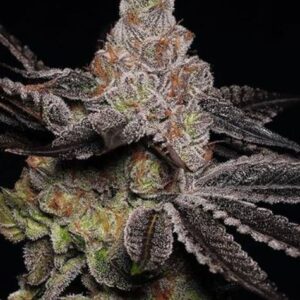
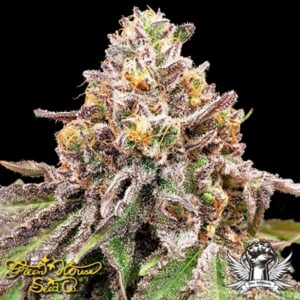
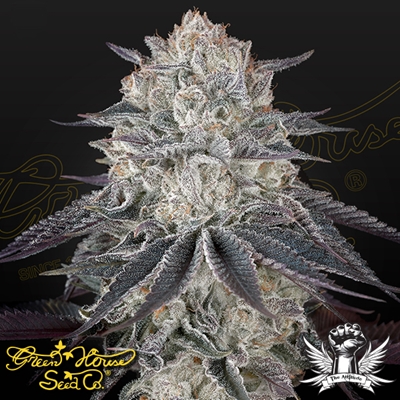
The strain became popular because it combines attractive plant structure with strong aroma and visually striking flowers. Mature buds can display green colors mixed with purple or pink tones, especially when environmental conditions support color development.
Runtz is also known for producing resin-covered flowers. This makes it particularly interesting to people researching cannabis genetics and terpene profiles.
Runtz Genetics
Runtz is commonly associated with a cross between Zkittlez and Gelato genetics.
Both parent lines are famous in modern cannabis breeding. Zkittlez is associated with sweet fruit-forward aromas, while Gelato is known for dessert-like flavors and dense flowers.
The resulting Runtz profile is often described as:
- Sweet
- Fruity
- Creamy
- Tropical
- Candy-like
- Slightly earthy
Because breeders may use different selections and breeding lines, the exact characteristics of Runtz seeds are not always identical.
Runtz Cannabis Seeds Specifications
Before choosing a particular seed line, it is useful to understand the typical specifications associated with Runtz.
| Specification | Typical Runtz Characteristics |
|---|---|
| Strain type | Hybrid |
| Common genetics | Zkittlez × Gelato |
| Aroma | Sweet, fruity, creamy |
| Flavor profile | Fruit, candy, cream, earth |
| Flower appearance | Dense, resin-rich flowers |
| Plant structure | Medium-sized, branching |
| Flowering period | Often around 8–10 weeks |
| Cannabinoid profile | Varies by breeder and phenotype |
| Seed types | Feminized and regular versions may be available |
| Indoor/outdoor suitability | Depends on genetics and local conditions |
These figures should be treated as general strain information rather than guaranteed specifications. Individual phenotypes can develop differently.
What Do Runtz Plants Look Like?
One of the most noticeable features of Runtz is its appearance.
Plants can develop a compact or medium-sized structure with multiple branches. The flowers are often dense and covered with visible trichomes.
Depending on the phenotype and growing conditions, flowers may show several shades of green along with purple or reddish colors.
Runtz Bud Structure
Runtz flowers are commonly described as dense and heavily coated with resin.
The buds can have a rounded appearance, with small leaves tucked between tightly packed flower clusters.
The visible trichomes can give mature flowers a frosty appearance.
For growers studying cannabis genetics, this combination of flower structure and resin production is one of the features that makes Runtz interesting.
Runtz Aroma and Flavor
The aroma is arguably one of the biggest reasons Runtz became popular.
A typical Runtz profile is associated with sweet fruit and candy notes. Some phenotypes may also have creamy, earthy, or slightly spicy undertones.
Common Aroma Notes
You may notice descriptions such as:
- Candy
- Tropical fruit
- Sweet berries
- Citrus
- Cream
- Earth
- Light spice
The exact terpene profile can vary considerably depending on genetics, cultivation conditions, harvesting, drying, and curing.
This is important when comparing Runtz seeds from different breeders. Two plants carrying the Runtz name may not produce exactly the same aroma.
Runtz Flowering Time
Runtz is commonly described as having a flowering period of approximately 8 to 10 weeks when grown under suitable indoor conditions.
However, flowering time should not be treated as a fixed number.
Genetics, light, temperature, humidity, plant health, and cultivation methods can all influence how quickly a plant reaches maturity.
Outdoor cultivation can also follow a different schedule because the plant responds to seasonal changes rather than an artificial light cycle.
Why Flowering Time Matters
Flowering time is useful when planning a cultivation project.
A relatively predictable flowering period can help growers estimate how long a plant may occupy an indoor growing space.
Still, breeder information should always be checked because specific Runtz seed lines can have different characteristics.
Runtz Plant Structure
Runtz plants can develop a medium-height structure with strong lateral branching.
This can make plant training relevant for growers who want to create a more even canopy.
Growth may vary from one phenotype to another. Some plants can stretch more during the transition into flowering, while others remain relatively compact.
Indoor Growing Characteristics
Indoor cultivation allows environmental factors such as lighting, temperature, humidity, and air movement to be controlled more closely.
Runtz plants are often discussed as suitable for indoor environments because their growth can be managed through appropriate training and canopy management.
However, successful cultivation depends on the specific genetics and the grower’s experience.
Runtz Cannabis Seed Types
When researching Runtz cannabis seeds, you may encounter different seed categories.
Feminized Runtz Seeds
Feminized seeds are bred to produce female plants at a very high rate.
Female cannabis plants are generally the plants cultivated for their flowers.
Regular Runtz Seeds
Regular seeds can produce male or female plants.
They are often of interest to breeders and growers who want to work with genetic variation or create their own crosses.
Autoflowering Runtz Genetics
Some breeders offer autoflowering versions using Runtz-related genetics.
Autoflowering plants differ from traditional photoperiod varieties because their flowering behavior is influenced more strongly by age than by changes in daylight hours.
The exact growth period and final characteristics depend on the genetics used to create the particular autoflowering line.
Runtz Cannabinoid Profile
Cannabinoid levels can vary substantially between Runtz phenotypes.
Some commercial versions may be bred for relatively high THC levels, but a strain name alone cannot guarantee a particular cannabinoid percentage.
Laboratory testing is the most reliable way to determine the actual cannabinoid content of a particular sample.
For consumers and researchers, this distinction matters because advertised breeder specifications are not the same as independent laboratory results.
Runtz Terpene Profile
Terpenes are aromatic compounds found in cannabis and many other plants.
Runtz is commonly associated with terpenes that contribute to its sweet, fruity, and creamy character.
The terpene profile can include compounds such as:
- Limonene
- Caryophyllene
- Myrcene
- Linalool
The actual levels can vary from plant to plant.
Environmental conditions and post-harvest handling can also influence the final aroma.
Why Runtz Became Popular
There is a simple reason Runtz attracts so much attention: it brings several desirable traits together.
The genetics have a recognizable history, the flowers can be visually impressive, and the aroma is often sweet and fruit-forward.
For cannabis enthusiasts interested in modern breeding, Runtz also represents the trend toward dessert, candy, and fruit-inspired cannabis varieties.