Northern Lights Cannabis Seeds: Complete Strain Guide and Specifications
Northern Lights cannabis seeds are linked to one of the best-known names in cannabis history. The strain has built a strong reputation over the years for its classic indica character, distinctive aroma, and compact plant traits.
If you are researching Northern Lights cannabis seeds, you may already know that there are many versions available today. Some seed banks offer feminized seeds, while others list regular or autoflowering versions. The exact characteristics can also vary from one breeder to another.
So, what makes Northern Lights so popular?
Let’s take a closer look at its background, genetics, characteristics, seed types, and what buyers should know before choosing Northern Lights seeds.
What Are Northern Lights Cannabis Seeds?
Northern Lights cannabis seeds are seeds produced from cannabis genetics associated with the classic Northern Lights strain.
The name has been around for decades and is strongly associated with indica-dominant cannabis. The strain became famous for its compact structure, strong aroma, resin production, and generally straightforward growth characteristics.
Today, Northern Lights seeds can be found in several forms, including:
- Feminized Northern Lights seeds
- Regular Northern Lights seeds
- Northern Lights autoflower seeds
- Northern Lights hybrids
- High-THC Northern Lights varieties
- CBD-focused Northern Lights crosses
Because breeders may use different parent plants, specifications can differ between seed banks and breeders. Always check the individual product description before making a purchase.
Northern Lights Cannabis Seeds: Quick Specifications
Here is a simple overview of commonly reported Northern Lights characteristics.
| Specification | Typical Description |
|---|---|
| Strain name | Northern Lights |
| General type | Indica-dominant |
| Genetics | Varies by breeder and version |
| Seed types | Regular, feminized, and autoflower versions may be available |
| Plant structure | Compact and bushy |
| Flower appearance | Dense, resin-covered buds |
| Aroma | Earthy, herbal, spicy, and sometimes sweet |
| Flavor profile | Earthy, herbal, spicy, and pine-like notes |
| THC level | Varies by breeder and phenotype |
| CBD level | Usually low, but varies by version |
| Typical use | Strain research and legal seed collecting |
| Origin | Classic cannabis genetics with disputed historical lineage |
| Availability | Depends on local laws and breeder stock |
These figures are general descriptions rather than guaranteed specifications. Cannabis genetics can vary significantly between breeders.
Northern Lights Genetics
One reason Northern Lights remains so recognizable is its long history.
The exact origin story is not completely agreed upon. Different accounts connect Northern Lights with historic indica genetics that were developed and selected over many years.
Many modern Northern Lights seeds are not identical to the original genetics. Breeders have created their own versions and crosses while keeping the Northern Lights name.
That means two products called Northern Lights cannabis seeds may have noticeably different specifications.
- Parent genetics
- THC percentage
- CBD percentage
- Seed type
- Flowering characteristics
- Expected plant size
- Aroma profile
- Genetic lineage
This is especially important if you are looking for a specific version of Northern Lights rather than simply the strain name.
Northern Lights Seed Types
Northern Lights seeds are commonly offered in several categories.
Feminized Northern Lights Seeds
Feminized seeds are produced with the goal of producing female plants. They are popular among consumers looking for a more predictable seed option.
The exact characteristics still depend on the breeder and genetics used.
Regular Northern Lights Seeds
Regular seeds can produce male or female plants. They are often chosen by breeders and collectors interested in working with a broader range of cannabis genetics.
Regular Northern Lights seeds may also be useful for preserving or exploring particular genetic lines where legally permitted.
Northern Lights Autoflower Seeds
Autoflower versions combine Northern Lights genetics with autoflowering genetics.
These versions are generally marketed for their different life cycle and compact characteristics. However, an autoflower Northern Lights variety should not automatically be assumed to have exactly the same traits as a classic photoperiod Northern Lights strain.
Always read the breeder’s specifications.
Northern Lights Appearance
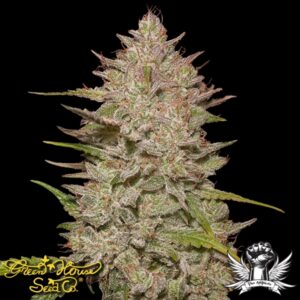
Northern Lights is commonly associated with a compact and sturdy appearance.
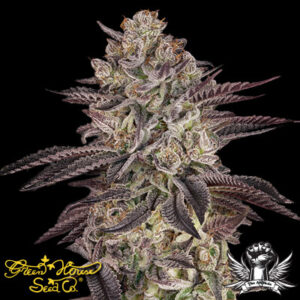
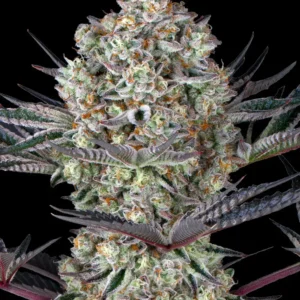
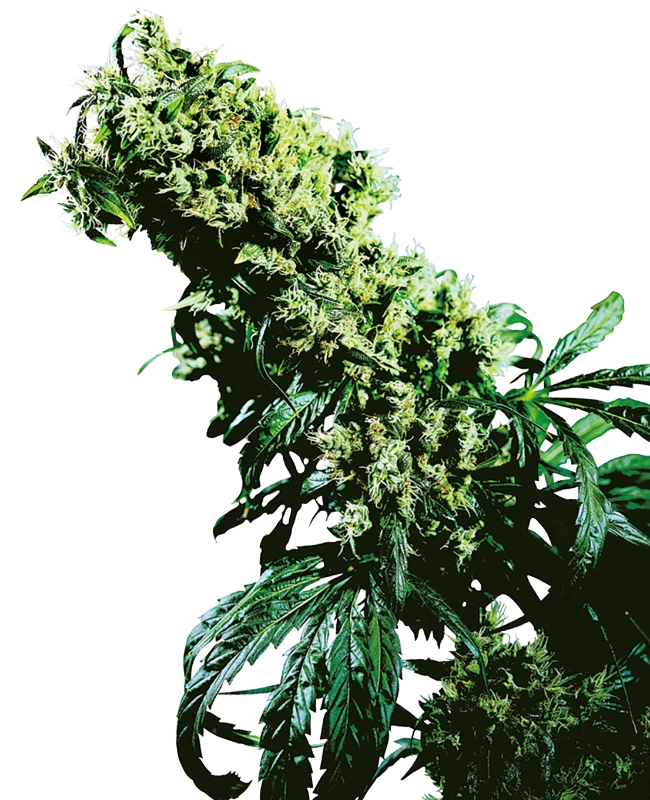
The plants are often described as having relatively short spacing between branches and a bushy structure. The flowers are typically dense and can develop a noticeable layer of resin.
The visual appearance can include:
- Dark to medium-green foliage
- Compact branching
- Dense flowers
- Thick resin coverage
- Orange or copper-colored pistils
- Occasionally purple shades depending on genetics and conditions
Genetics, environment, and phenotype can all affect the final appearance.
Northern Lights Aroma and Flavor
The aroma is another reason Northern Lights has remained popular.
Classic descriptions often mention an earthy and herbal base with spicy, pine-like, or slightly sweet notes.
Some modern Northern Lights crosses can have very different profiles because breeders may introduce other genetics.
Commonly reported characteristics include:
- Earthy
- Herbal
- Pine
- Spicy
- Sweet
- Woody
If aroma is important to you, check the specific breeder’s description rather than relying only on the Northern Lights name.
Northern Lights THC and CBD Content
THC and CBD levels can vary considerably between different Northern Lights products.
Some versions are bred for higher THC levels, while others may focus on CBD or use Northern Lights genetics as part of a hybrid.
For this reason, there is no single THC percentage that applies to every Northern Lights seed product.
A reliable product listing should provide the breeder’s available laboratory data or stated cannabinoid range where applicable.
It is also worth remembering that a seed’s advertised genetics do not guarantee a particular cannabinoid profile in every plant.
Why Are Northern Lights Seeds So Popular?
Northern Lights has remained relevant because it combines a recognizable name with decades of cannabis history.
For many enthusiasts, the appeal is partly nostalgic. Northern Lights is one of those strain names that repeatedly appears in cannabis discussions, breeding projects, and seed catalogs.
Other reasons for its popularity include:
- Long-standing reputation
- Classic indica genetics
- Recognizable aroma
- Compact plant characteristics
- Availability in different seed formats
- Use in modern breeding projects
- Large number of Northern Lights crosses
Its history also makes it an interesting strain for people researching the development of modern cannabis genetics.
Northern Lights vs. Other Indica Strains
Northern Lights is often compared with other classic indica varieties.
The biggest difference is usually genetics and phenotype. Even strains that share similar characteristics can produce different aromas, structures, cannabinoid profiles, and effects.
For example, one Northern Lights variety may have a strong earthy aroma, while another breeder’s Northern Lights hybrid could have sweeter or fruitier characteristics.
This is why comparing the actual breeder specifications is more useful than choosing a seed based only on the strain name.
Are Northern Lights Cannabis Seeds Legal?
The legal status of cannabis seeds depends on your country and how the seeds are defined under local law.
In some places, cannabis seeds may be sold as souvenirs or for collection, while cultivation or germination may be restricted. Other jurisdictions have completely different rules.
Do not assume that because seeds are available online they are automatically legal to purchase or use in your location.
Always check current local regulations before ordering.
Northern Lights Cannabis Seeds: What Makes Them Different?
The biggest attraction of Northern Lights is its history.
It is not simply another modern strain name. Northern Lights has been part of cannabis culture and breeding for many years, and its genetics have influenced numerous later varieties.
For someone researching classic cannabis genetics, it offers an interesting look at how older varieties have continued to influence modern seed breeding.
However, the name alone does not tell the whole story.
A Northern Lights seed from one breeder may differ from another breeder’s version. That is why specifications, genetic information, and breeder reputation matter.